Fit Guide
How to Measure Your Bra Size at Home: The Complete Fit Guide
Up to 8 in 10 women wear the wrong bra size. Here's how to measure accurately at home, decode the sister-size chart, and know exactly when a bra fits.
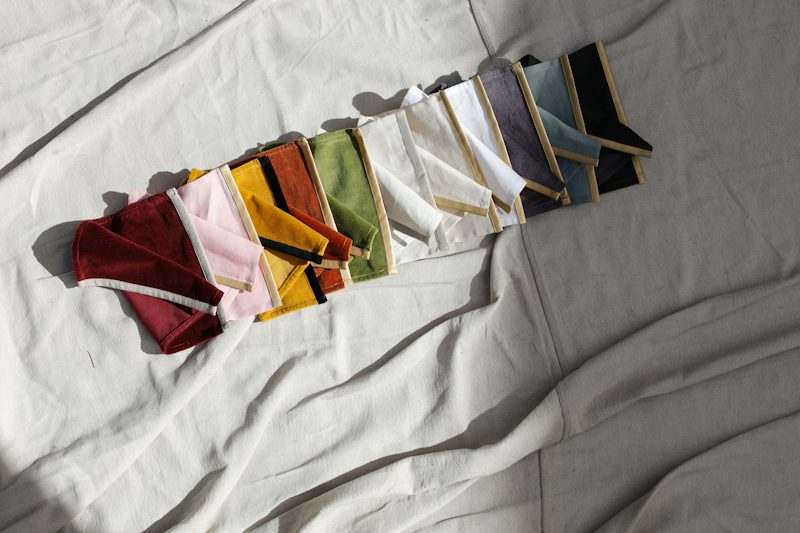
"Sustainable", "eco-friendly", "conscious", "clean" — lingerie labels are covered in these words, and almost none of them are regulated. That makes it genuinely hard to know whether a piece is doing good or just marketing well.
This is a clear-eyed guide to what actually makes lingerie more sustainable, so you can look past the buzzwords and judge for yourself — whoever you're buying from.
Sustainability isn't one thing you can put on a label; it's a series of choices across a garment's whole life. A useful way to assess any piece is to ask five questions: what is it made of, how was it dyed, who made it, how does it reach you, and how long will it last? Let's take them one at a time.
This is where most of a garment's environmental impact is decided. More responsible options include:
Watch for vague claims like "made with recycled materials" — ask what percentage. A garment that's 5% recycled is not the same as one that's 85%.
Textile dyeing is one of the largest polluters of clean water globally. More responsible brands use low-impact or OEKO-TEX® certified dyes (tested to be free from harmful substances), dye to order to avoid waste, and treat their wastewater. This step rarely makes the marketing, which is exactly why it's worth asking about.
Sustainability is social as well as environmental. Lingerie is intricate, labour-intensive work, and the people who sew it deserve safe conditions and a living wage. Look for:
If a brand can't or won't tell you where and by whom its lingerie is made, treat that silence as an answer.
The finishing touches add up. Plastic-free, recyclable or reusable packaging, carbon-neutral or offset shipping, and consolidated deliveries all reduce a garment's footprint after it leaves the factory. It's a smaller share of total impact than fibre choice, but it signals whether a brand is thinking end-to-end.
Here's the truth the industry rarely says out loud: the single most sustainable garment is the one you already own and keep wearing. A piece that lasts five years and is worn weekly has a fraction of the per-wear impact of something bought cheaply and discarded in a season. Quality construction, timeless design and good care instructions are themselves sustainability features. This is why we design for durability first and trend last.
Certifications aren't perfect, but they're independent — a far better signal than an unregulated adjective.
If a piece answers most of these well, it's genuinely more sustainable — not just better branded.
Ready to put this into practice? Explore SANTCARA's wire-free bralettes, silk slips and organic cotton essentials — inclusive sizing, free shipping over $75 and 30-day returns. Shop the collection →

Up to 8 in 10 women wear the wrong bra size. Here's how to measure accurately at home, decode the sister-size chart, and know exactly when a bra fits.
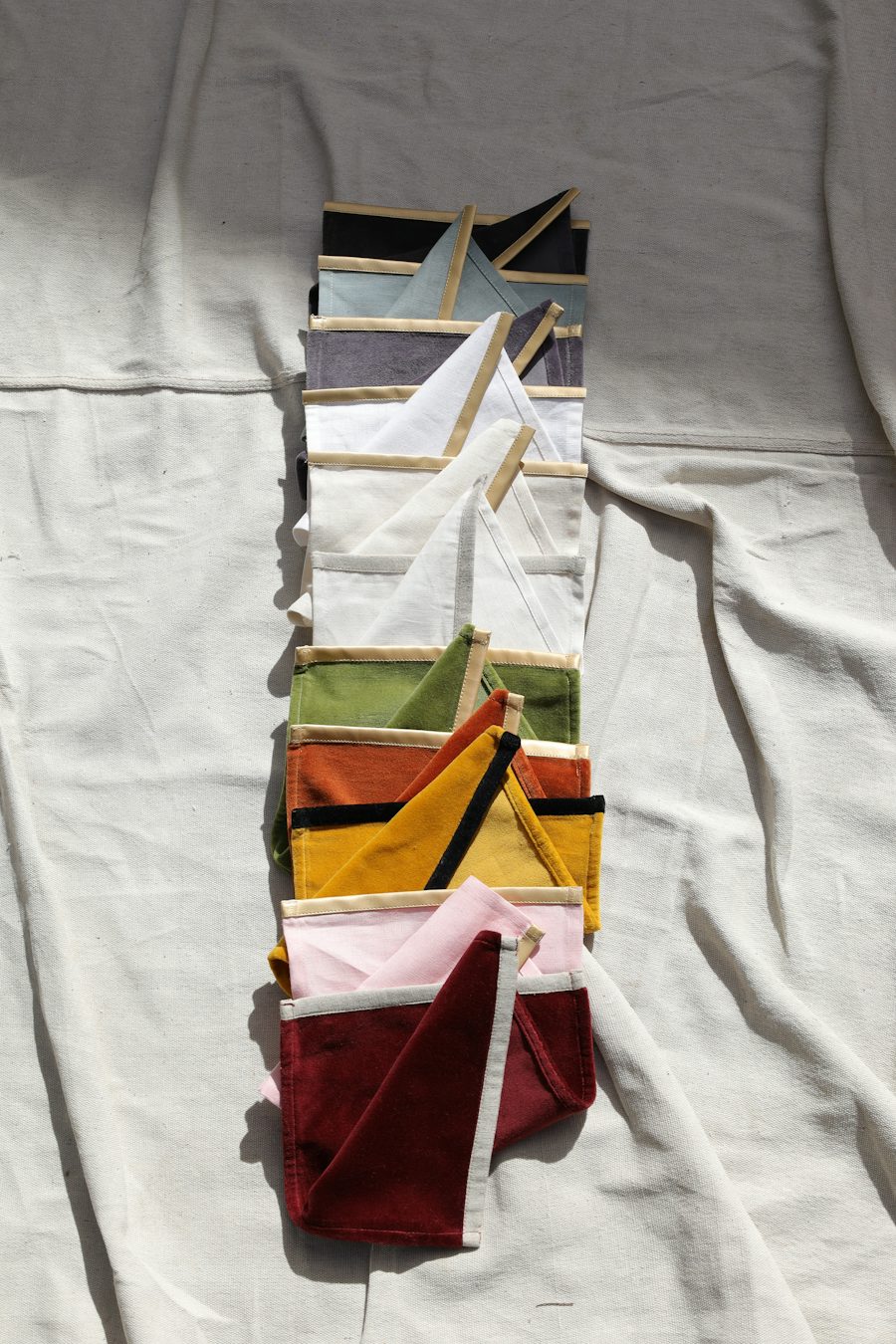
Not all softness is equal. A plain-language guide to the fabrics behind beautiful lingerie — how they feel, how they wear, and how to choose the right one.
Beautiful lingerie is an investment. With the right washing, drying and storage habits, a good bra can last three to five years. Here's the full routine.