Materials
The Fabric Edit: Understanding Silk, Modal, Organic Cotton & Lace
Not all softness is equal. A plain-language guide to the fabrics behind beautiful lingerie — how they feel, how they wear, and how to choose the right one.

Here's a statistic that never stops surprising people: studies from lingerie retailers and universities alike suggest that up to 80% of women are wearing the wrong bra size. Not because they've done anything wrong — but because bra sizing is genuinely confusing, bodies change, and most of us were never actually taught how to measure.
The good news is that finding your size at home takes about five minutes, a soft tape measure, and a little patience. This guide walks you through exactly how, then shows you how to recognise a great fit once it's on.
A well-fitting bra does more than look good under a t-shirt. The right band carries around 80% of the support your bust needs — not the straps, as most people assume. When the band is too loose, that support collapses, the straps compensate, and you end up with shoulder grooves, back ache and a bust that sits lower than it should.
The wrong size can also make beautiful lingerie look and feel wrong: cups that gape or overflow, wires that dig, bands that ride up. Nine times out of ten, the piece isn't the problem — the size is.
You'll need a soft fabric tape measure and, ideally, a non-padded bra (or no bra). Stand up straight in front of a mirror and take two measurements.
Wrap the tape measure snugly around your ribcage, directly under your bust where the band of your bra sits. Keep it level all the way around and parallel to the floor. Exhale, and take the measurement in inches. The tape should be firm — this is a supportive band, not a loose one.
Now measure around the fullest part of your bust, usually across the nipple line. This time keep the tape comfortably loose — you don't want to compress anything. Round to the nearest inch.
Measure at the end of the day if you can, wearing your most comfortable everyday bra or none at all. Bodies fluctuate; consistency matters more than perfection.
Two simple steps turn those numbers into a size:
For example: a 34-inch band and a 37-inch bust is a 3-inch difference — a 34C. It's a starting point, not gospel: cut varies between brands and styles, which is exactly why sister sizes are so useful.
A "sister size" is a bra with the same cup volume but a different band. If your band feels too tight but the cups fit, go up a band and down a cup (e.g. 34C → 36B). If the band is loose but cups fit, go down a band and up a cup (34C → 32D). The cup volume stays the same — only the band changes. Knowing your sister sizes means that if your exact size is sold out, you have two reliable back-ups.
Usually a band that's too big, so the bra shifts as you move. Try a smaller band (and its sister cup) before blaming the straps.
The cup is slightly too big, or the style is wrong for your shape. A balconette or a bralette with a little stretch, like our Aria Lace Bralette, moulds more forgivingly than a rigid moulded cup.
Often a cup that's too small, so the wire sits on breast tissue instead of around it. Size up a cup, or switch to a wire-free style designed to shape without an underwire.
Every 6–12 months, and any time your weight, cycle, or life stage changes noticeably. Your size is not fixed for life.
For the band, without a bra or in a non-padded one. For the bust, a thin, unpadded bra can help you get a realistic fullest-point measurement.
Try your calculated size and its sister sizes. For bralettes and stretch styles, size down for a snugger fit; for structured underwire, trust the band measurement first.
Ready to put this into practice? Explore SANTCARA's wire-free bralettes, silk slips and organic cotton essentials — inclusive sizing, free shipping over $75 and 30-day returns. Shop the collection →
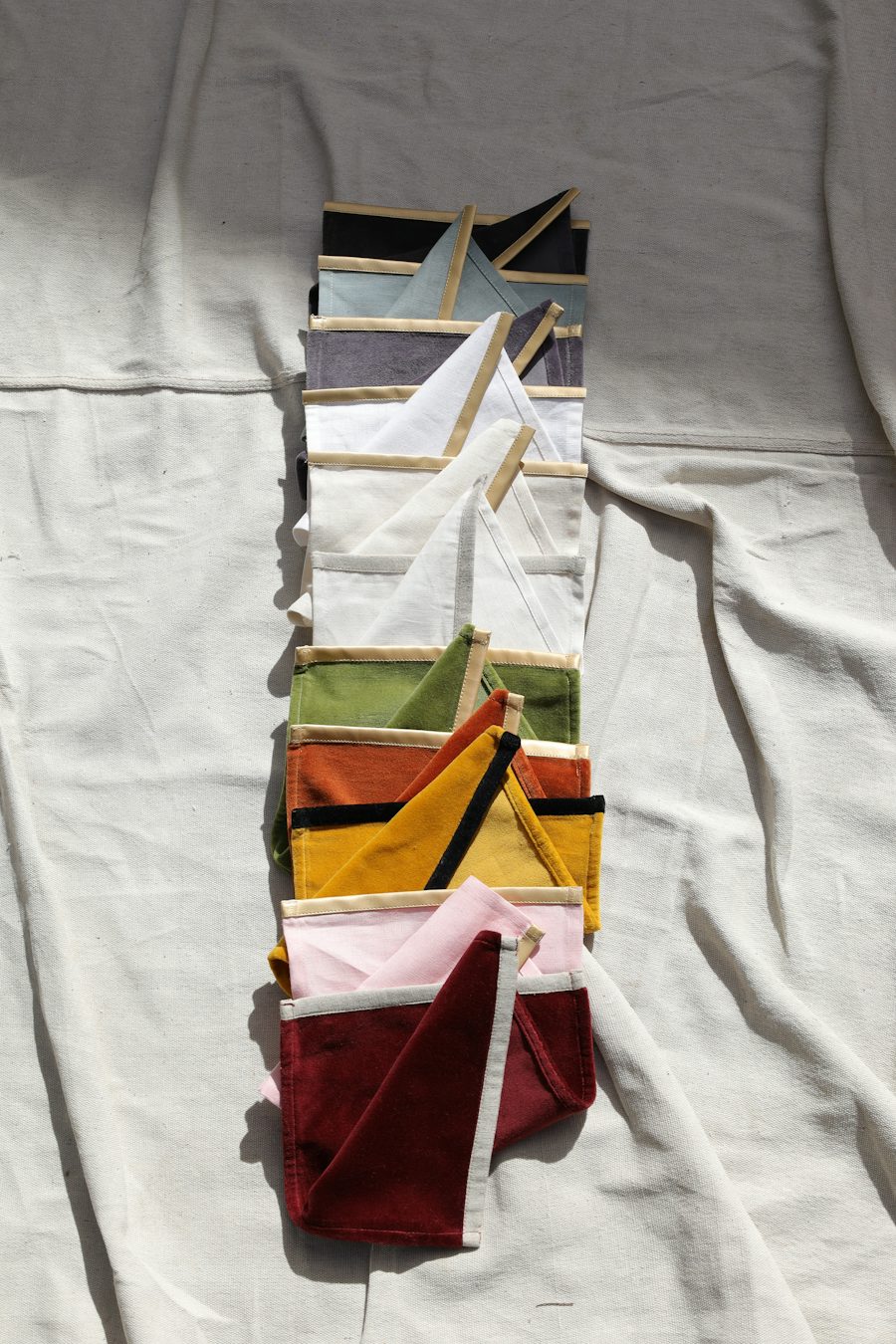
Not all softness is equal. A plain-language guide to the fabrics behind beautiful lingerie — how they feel, how they wear, and how to choose the right one.
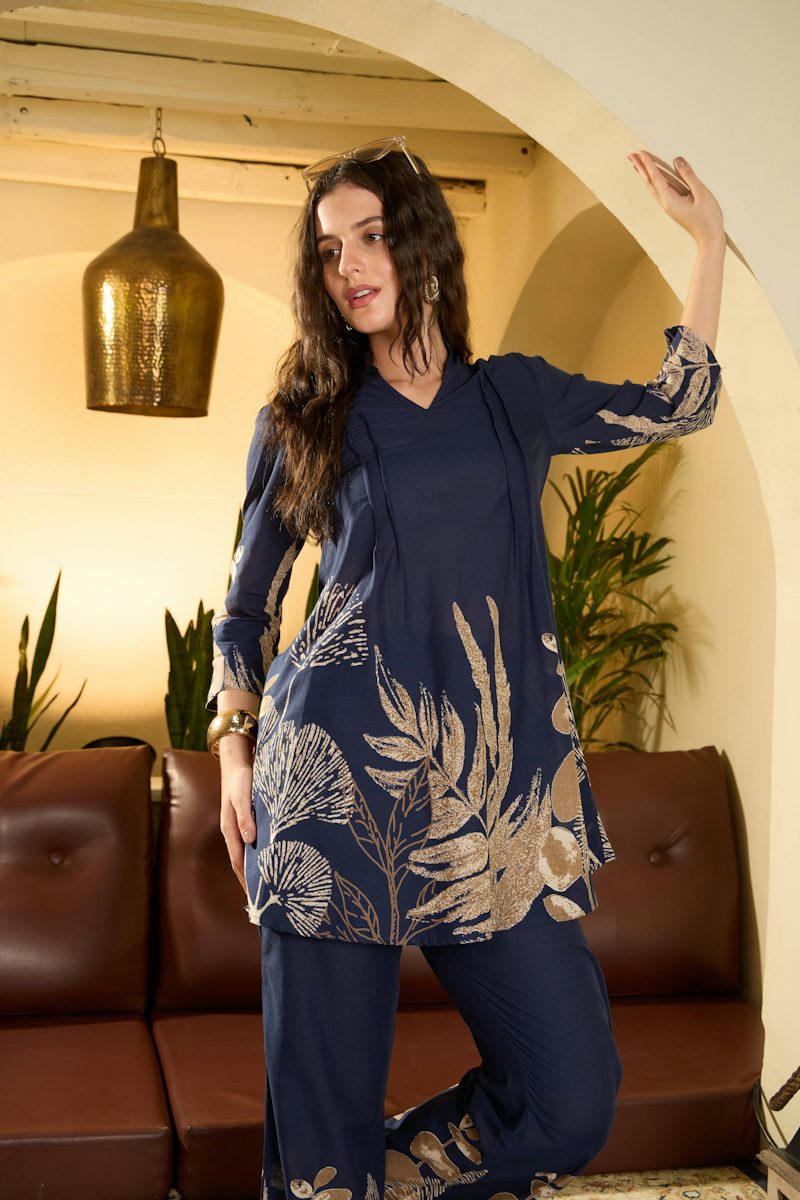
Beautiful lingerie is an investment. With the right washing, drying and storage habits, a good bra can last three to five years. Here's the full routine.
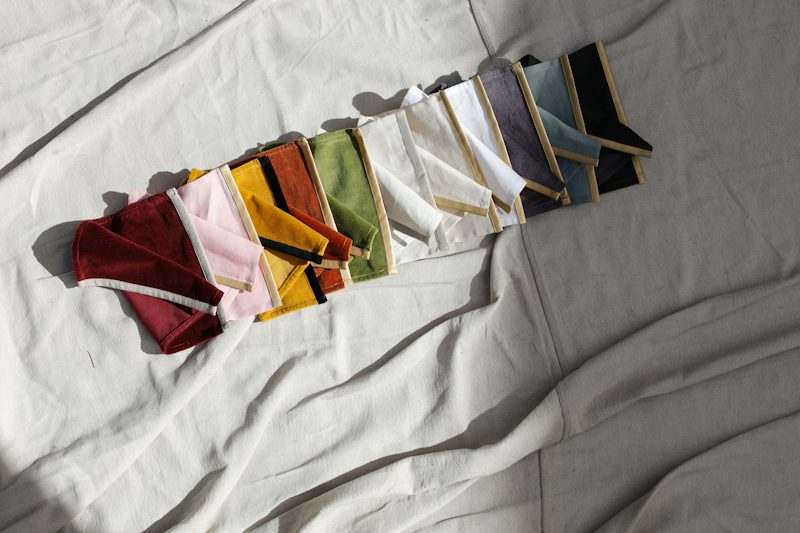
From recycled lace to closed-loop modal and living-wage ateliers — a clear-eyed look at what makes lingerie genuinely sustainable, beyond the buzzwords.